
Govt sets tighter regulations on St. Martin’s tourism
প্রকাশ: বৃহস্পতিবার । নভেম্বর ২০, ২০২৫
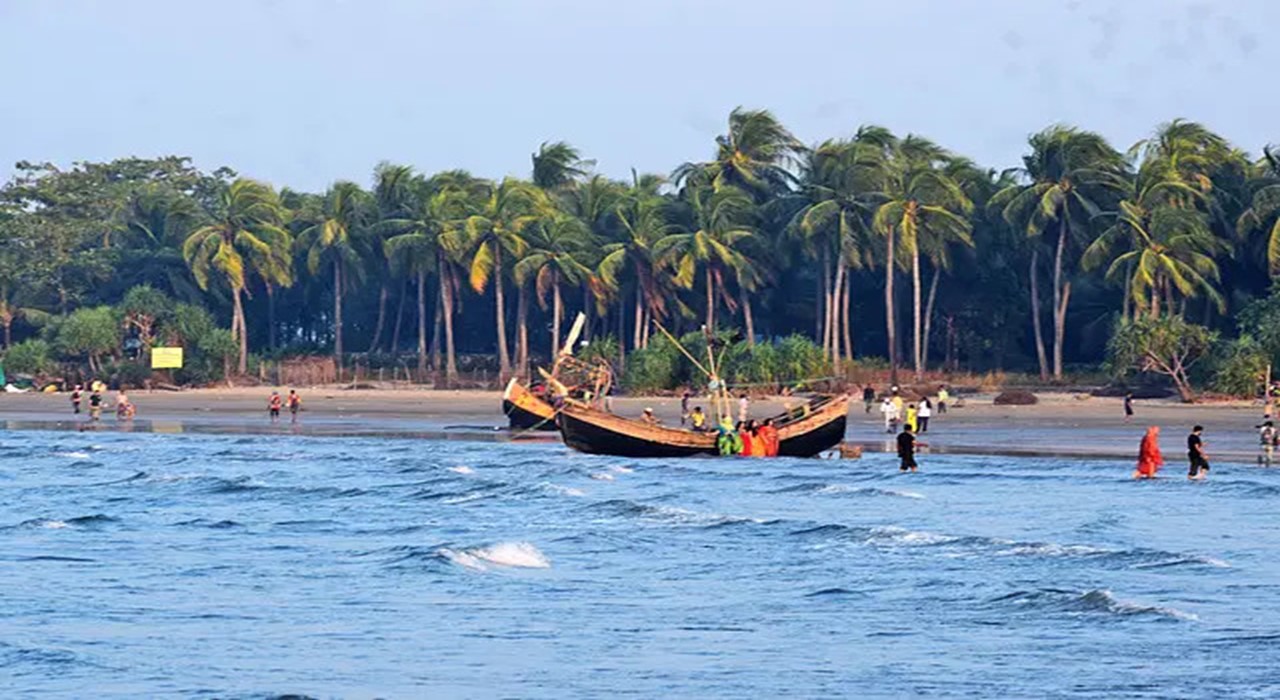
Bangladesh has rolled out new strict restrictions on tourist trips to St Martin’s Island to protect its fragile ecosystem and coral reefs.
Ministry of Environment, Forest and Climate Change issued the notification on October 22. It takes effect at once and follows the 2023 conservation guidelines. Deputy Secretary Abdullah-Al-Mamun signed the order on behalf of the President.

From November, day trips only are allowed. No one can stay
overnight. In December and January, overnight stays return but daily visitor
numbers are capped at an average of 2,000 people. The island shuts completely
to tourists in February.
All travellers now need a special ticket bought through the
Bangladesh Tourism Board web portal. Each ticket comes with a QR code travel
pass. Fake tickets without the code will not be accepted.
Ships cannot sail to the island without prior ministry
approval. The Bangladesh Inland Water Transport Authority (BIWTA) must check
permission first.
Night-time noise, beach lighting, and barbeque parties are
banned. Tourists cannot enter the Keya forest or pick, buy, or sell Keya
fruits. Harming corals, sea turtles, birds, shells, starfish, ghost crabs,
seagrass, or seaweed is strictly forbidden.
Motorcycles and sea bikes are no longer allowed on the
beach. Single-use plastics such as straws, small shampoo packs, and 500 ml or
1000 ml water bottles are strongly discouraged. Visitors should bring
refillable flasks instead. Banned polythene bags remain prohibited.
Local tour operators say the rules will hit the peak season
hard but agree the island needs protection after years of overcrowding and
damage.
St Martin’s Island, Bangladesh’s only coral island, has
faced growing pressure from rising visitor numbers in recent years.